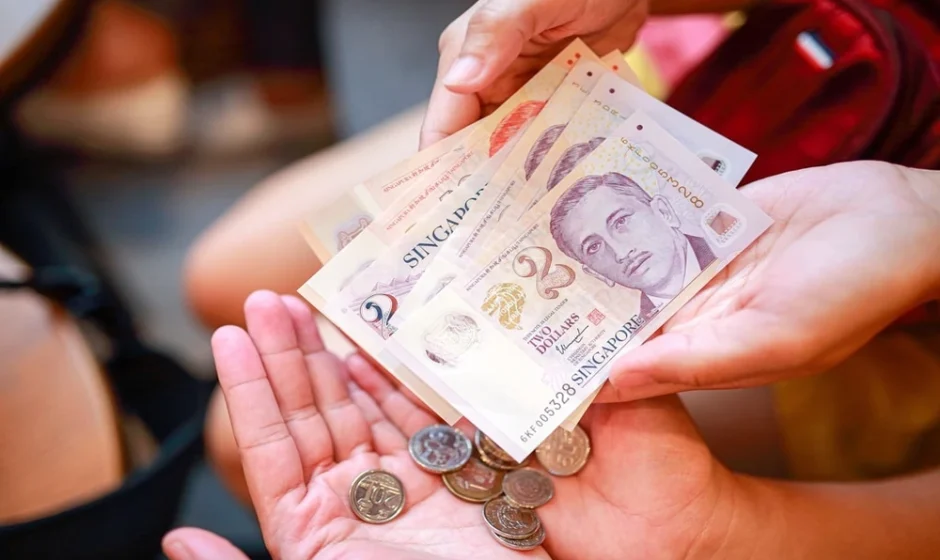

The word private makes some borrowers nervous, as if a private money lender singapore must operate outside the rules. In Singapore, the opposite is true. Private moneylenders are licensed businesses regulated under the Moneylenders Act, and the licence is what separates them from illegal loan sharks. Understanding what that licence requires, and how to confirm a lender holds one, is the most useful knowledge a borrower can have. This guide explains the licensing framework, the obligations it places on lenders and how to check a lender before applying.
Who Regulates Moneylenders
Moneylending in Singapore is regulated by the Registry of Moneylenders, which sits under the Ministry of Law. The Registry issues licences, sets rules on charges and conduct and investigates complaints. Lending money as a business without a licence is a criminal offence. Banks and certain other financial institutions are regulated separately, which is why the moneylender rules apply specifically to non-bank lenders offering personal and business loans to the public. The Registry also publishes guidance for borrowers, which is worth reading before a first loan.
What a Licence Requires
A licensed moneylender must meet ongoing obligations to keep its licence. These include:
- Operating from an approved business address
- Keeping to legal caps on interest and fees
- Explaining loan contracts clearly and providing copies to borrowers
- Issuing receipts for every repayment
- Following strict rules on advertising and debt collection
Breaching these obligations can lead to penalties or the loss of the licence.
The Caps That Protect Borrowers
Licensed lenders work within fixed limits on charges. Interest cannot exceed four per cent a month, late fees cannot exceed sixty dollars for each month of late repayment and the admin fee cannot exceed ten per cent of the principal. Total charges, including interest, late fees and the admin fee, cannot be more than the principal. These caps apply regardless of the borrower’s income, so every borrower dealing with a licensed lender has the same protection.
Limits on How Much Can Be Lent
Licensing rules also limit loan sizes for unsecured borrowing. Citizens and permanent residents earning less than twenty thousand dollars a year can borrow no more than three thousand dollars in total across all licensed lenders. Foreigners on lower incomes face lower limits. Those earning more can borrow up to six times their monthly income. Lenders must check the Moneylenders Credit Bureau to confirm existing borrowing before approving a new loan.
Rules on Advertising
Advertising restrictions are one of the clearest ways to spot an illegal operator. A licensed private money lender singapore may advertise only through its own website, business or consumer directories and its business premises. Cold calling, unsolicited text messages and social media promotion are not allowed. If you receive a loan offer that you did not ask for, treat it as a warning sign. Licensed lenders rely on borrowers finding them, rather than chasing borrowers through their phones.
How to Verify a Licence
Checking a lender takes only a few minutes. Search the Ministry of Law’s list of licensed moneylenders using the lender’s exact business name. Confirm that the licence number and business address match the details the lender gives you. Then visit that address in person, rather than meeting elsewhere. If the name is similar but not identical, or the address does not match, do not proceed, since illegal lenders often copy the names of licensed firms.
What Licensed Lenders Cannot Do
Some actions are off-limits for every licensed lender. They cannot:
- Ask for your Singpass login, bank card or PIN
- Keep your NRIC, passport or work permit
- Release a loan before explaining the contract
- Use harassment, threats or public shaming to collect debts
If a lender does any of these things, stop dealing with them and report it to the police or the Registry of Moneylenders.
Contracts and Records
Licensed lenders must give borrowers a copy of the loan contract and explain it in a language the borrower understands. The contract should show the principal, interest rate, repayment schedule and fees. Borrowers are entitled to a receipt for each repayment and can request a statement of account. Keeping these records protects you if there is ever a dispute about how much has been paid or what is owed. A simple folder or phone album for these documents is enough.
Making a Complaint
If you believe a licensed lender has broken the rules, you can raise a complaint with the Registry of Moneylenders. Provide copies of your contract, receipts and any correspondence. Clear records make investigation easier. For harassment or threats, contact the police immediately. Borrowers who know their rights are much better placed to resolve problems quickly and avoid paying charges that are not allowed. Note dates, times and names whenever something concerns you, since details fade quickly.
Choosing a Lender With Confidence
A private moneylender can be a legitimate and useful source of credit, provided it is properly licensed. Confirm the licence on the official list, visit the registered address, check that charges stay within the caps and read the contract carefully before signing. These steps protect you from illegal operators and unfair terms. Taking the time to find a licensed and legal money lender in Singapore gives you all the protections the law intends borrowers to have.