

Introduction
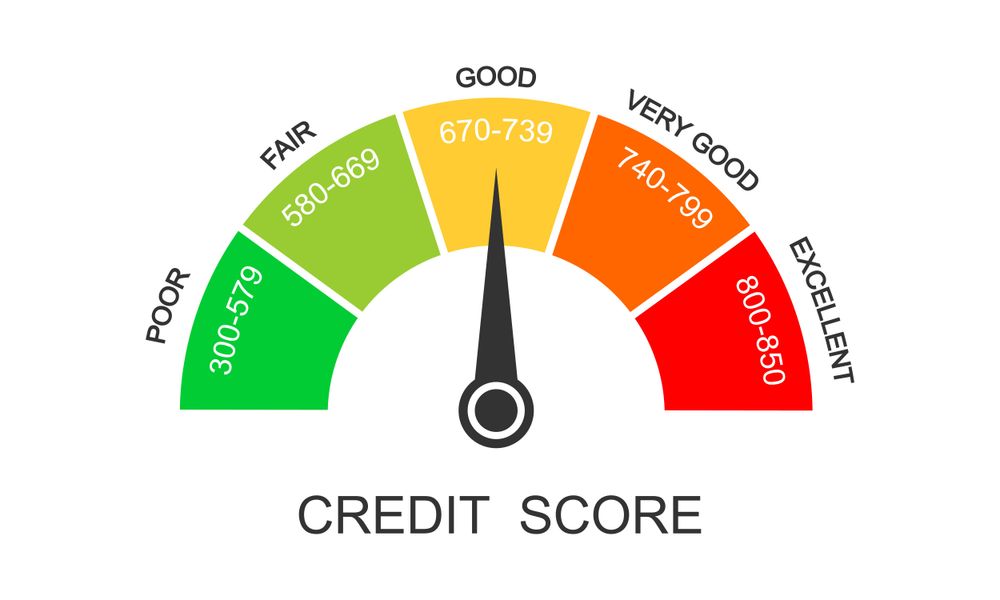
Your credit score serves as a critical determinant of home loan eligibility, interest rates offered, and processing speed throughout the application journey. This three-digit number, ranging from 300 to 900, comprehensively summarises your credit behaviour and repayment history, helping lenders assess default risk quickly and efficiently. While technically no universal minimum score exists for home loan approval across all lenders, practical thresholds vary significantly and directly impact loan terms you receive.
Credit Score Ranges and Lending Implications
| Credit Score Range | Lender Assessment | Interest Rate Impact | LTV Ratio | Processing |
| Above 750 | Excellent (Prime) | Best rates available | 80-85% | Fast |
| 700-749 | Good | +0.25-0.50% higher | 75-80% | Normal |
| 650-699 | Fair | +0.50-1% higher | 70-75% | Slower |
| 600-649 | Poor | +1-1.5% higher | 60-70% | Difficult |
| Below 600 | Very Poor | Often rejected | 40-50% | Very difficult |
Scores above 750 place you firmly in the prime borrower category. Lenders view such applicants as low-risk, offering highly competitive interest rates, higher loan-to-value ratios, and faster approval processes. You gain significant negotiating power for processing fee waivers and flexible prepayment terms. Loan amounts sanctioned typically reach the upper limits based on income eligibility, often 80-85% of property value.
Scores between 650-749 represent the acceptable range where most lenders approve loans but with certain significant caveats. Interest rates may be 0.25-0.75% higher than offered to prime borrowers, adding substantial cost over 15-20 year tenures. Loan-to-value ratios might be capped at 70-75%, requiring larger down payments. Processing scrutiny intensifies considerably, with lenders examining repayment behaviour more closely and seeking additional documentation.
Scores below 650 trigger heightened caution. Many mainstream lenders reject applications outright, while others demand significant down payments, often 40-50% of property value, and charge premium interest rates. Co-applicants with stronger credit profiles become almost mandatory. Processing takes considerably longer as underwriters assess risk through detailed financial analysis beyond credit scores alone.
Factors Affecting Credit Score
Payment history constitutes 35% of your score calculation—the single largest factor influencing your overall score. Any delayed EMI payment beyond 30 days reflects negatively, with multiple delays or defaults causing severe damage. Even 90-day delays remain on reports for seven years, substantially impacting score during this entire period.
Credit Score Composition Breakdown:
- Payment History: 35% of total score
- Timely payments across all credit products
- Any delays, defaults, or settlements
- Credit Utilisation: 30% of total score
- Percentage of available credit actually used
- Consistently maxing out credit cards signals financial stress
- Credit History Length: 15% of total score
- Average age of all credit accounts
- Older accounts with good standing strengthen profile
- Credit Mix: 10% of total score
- Diversity across secured and unsecured credit
- Balance of home loans, vehicle loans, credit cards, personal loans
- Recent Credit Enquiries: 10% of total score
- Multiple applications within short periods suggest credit hunger
- Space out applications by at least three months
Credit utilisation, representing 30% of your score, measures how much of your available credit you actually use consistently. Consistently maxing out credit cards or maintaining balances above 30% of limits signals potential financial stress, lowering scores. Keeping utilisation below 30%, ideally below 10%, demonstrates controlled credit behaviour.
Credit history length matters, accounting for 15% of your score. Older accounts with consistent good standing strengthen your profile significantly. Closing old credit cards can inadvertently hurt scores by reducing average account age and total available credit.
Credit mix, comprising 10% of score, considers diversity across credit types—home loans, vehicle loans, credit cards, personal loans. A balanced mix shows you can manage different credit forms responsibly, though this should never motivate taking unnecessary debt.
Recent credit enquiries form 10% of score calculation. Multiple loan applications within short periods suggest credit hunger, lowering scores. Space out credit applications and apply only after preliminary research indicates strong approval likelihood.
Conclusion
Aim for a credit score above 750 before applying for home loans to access best terms and faster processing. If your score sits between 650-749, consider delaying your home purchase by 6-12 months while improving credit behaviour—paying all bills on time, reducing credit card balances below 30% utilisation, and avoiding new credit applications. Use this period for additional down payment savings, which compensates for moderate scores. For scores below 650, prioritise credit repair through consistent repayment behaviour and resolution of any disputed items on credit reports before attempting home loan applications. Monitor your score quarterly through free annual bureau reports to track improvement and identify errors requiring correction. Consider working with credit counselling services if your score has suffered due to past financial difficulties requiring structured recovery plans.


