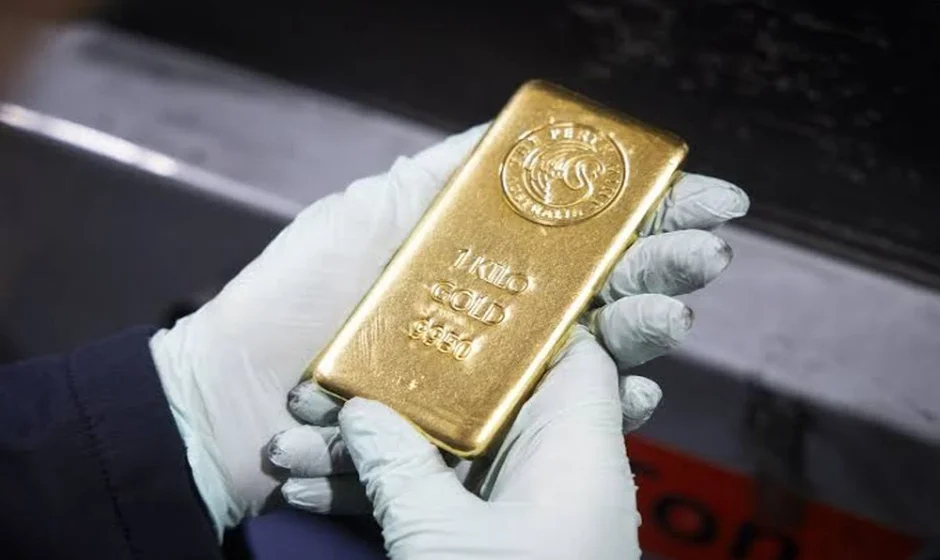

How the Gold Market Responds to Economic Conditions
Gold prices are influenced by changes in the global economy, financial markets, and investor confidence. Unlike currencies or company shares, gold is a physical asset with a long history of being used as a store of value. Its market price can rise or fall in response to economic uncertainty, interest rate decisions, geopolitical developments, and changes in demand. These influences often interact, making gold price movements an important subject in precious metals market analysis.
Access to reliable historical records helps explain how these influences have shaped bullion values over time. Resources such as goldbullionpricechart.com can provide historical gold price information, allowing readers to examine previous market movements and compare prices across different periods. Reviewing this information offers useful context when studying the relationship between economic events and changes in gold valuation.
Understanding Historical Gold Price Movements
Historical gold prices show that the market does not move in a straight line. Periods of steady growth may be followed by corrections, while sudden economic developments can create sharp price changes. Looking at several decades of price data reveals how gold has responded to financial crises, inflationary periods, changes in monetary policy, and shifts in global investment activity.
Long-term charts also help distinguish temporary fluctuations from broader market trends. A short-term price increase may reflect immediate uncertainty, whereas sustained growth over several years may indicate wider economic or monetary influences.
Factors That Influence Bullion Valuation
Several factors contribute to the market value of gold. Currency movements are particularly important because gold is commonly priced in US dollars. When the dollar weakens, gold may become more affordable for buyers holding other currencies, potentially increasing international demand. A stronger dollar can have the opposite effect.
Central bank activity also plays a significant role. National monetary authorities hold gold as part of their reserves and may increase or reduce purchases according to their financial strategies. Large-scale buying can influence market sentiment and contribute to changes in demand.
Interest rates, mining supply, jewellery consumption, industrial applications, and investment activity also affect bullion valuation. These factors do not always move in the same direction, which is why gold prices can respond differently to similar economic conditions.
The Relationship Between Inflation and Gold Prices
Gold is frequently discussed as a potential store of value during inflationary periods. When the purchasing power of money declines, some investors turn to physical assets in an effort to preserve wealth. This can increase demand for bullion and place upward pressure on prices.
However, inflation does not automatically result in higher gold prices. Central bank interest rate increases may strengthen currencies or raise the opportunity cost of holding an asset that does not generate interest. Therefore, inflation expectations, real interest rates, and currency movements should be examined together.
Why Historical Market Data Matters to Investors
Historical market information provides a foundation for evaluating price patterns and understanding previous market reactions. Investors can compare different economic periods, identify major price corrections, and assess how gold responded to changing financial conditions.
Past performance cannot guarantee future results, but historical records can support more informed analysis. They also help prevent decisions based entirely on short-term market headlines.
Interpreting Gold Price Trends Over Different Periods
Gold price trends are best examined across multiple timeframes. Daily data highlights immediate volatility, monthly records reveal medium-term movements, and annual comparisons provide a broader view of market development.
Combining historical charts with information about inflation, currency strength, central bank purchases, and investor demand creates a more balanced picture of bullion valuation. This approach allows market observers to interpret price movements within their wider economic context rather than treating individual increases or declines as isolated events.